yep, I did it
well, success is a quantifiable word. in this case, success meant finishing the game as per the explicit rules set. a big spoiler: I did.
it was a surprisingly enticing evening of playing. I re-rolled the character a couple of times until, around 23:30, their stats were favourable where it mattered. this was not enough, and some of the characters that initially looked good on paper succumbed due to either bad tactics (flighting vs running) or just bad luck. some early surviving attempts meant I was in the right track, but I had yet to find a good balance.
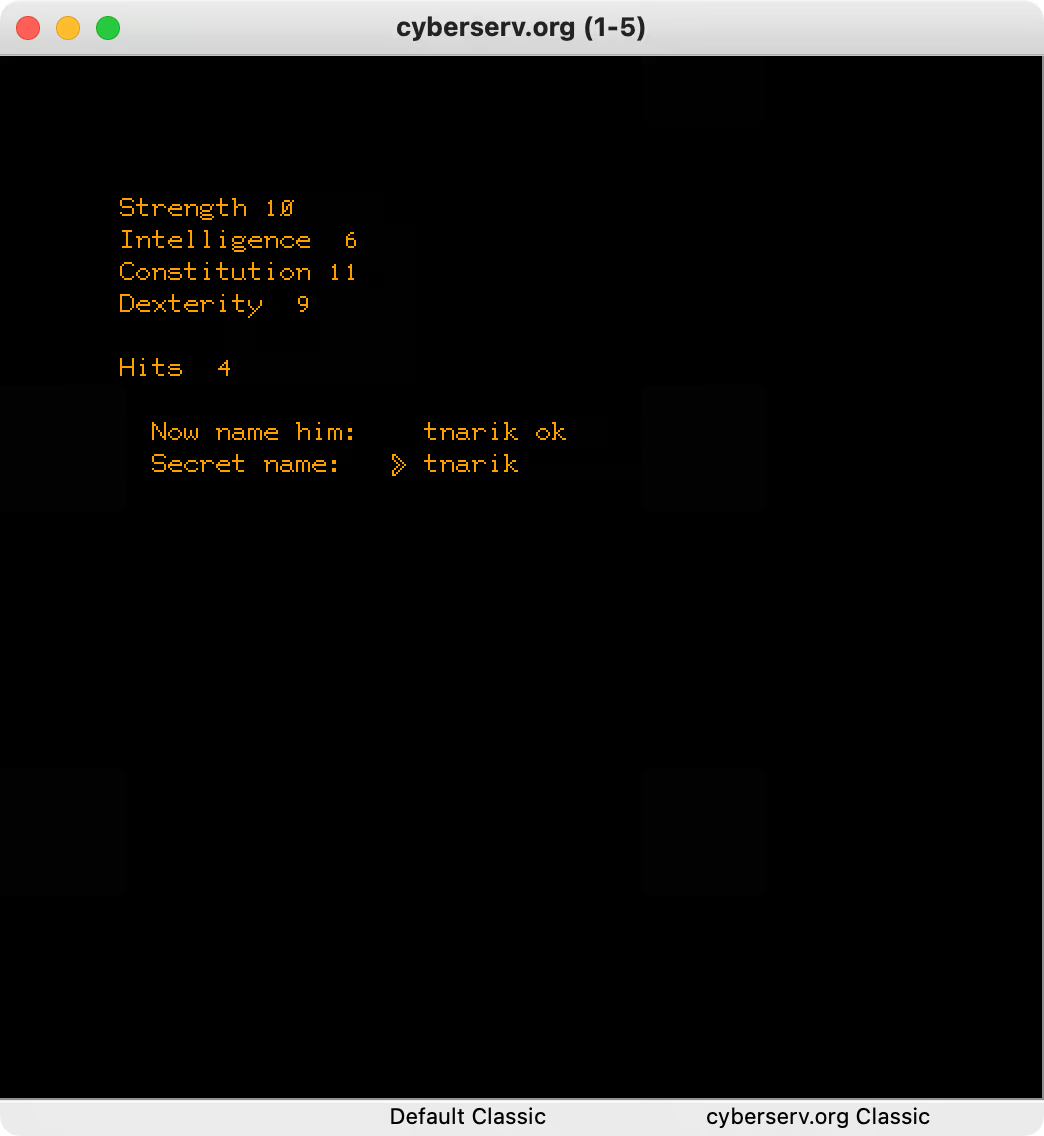
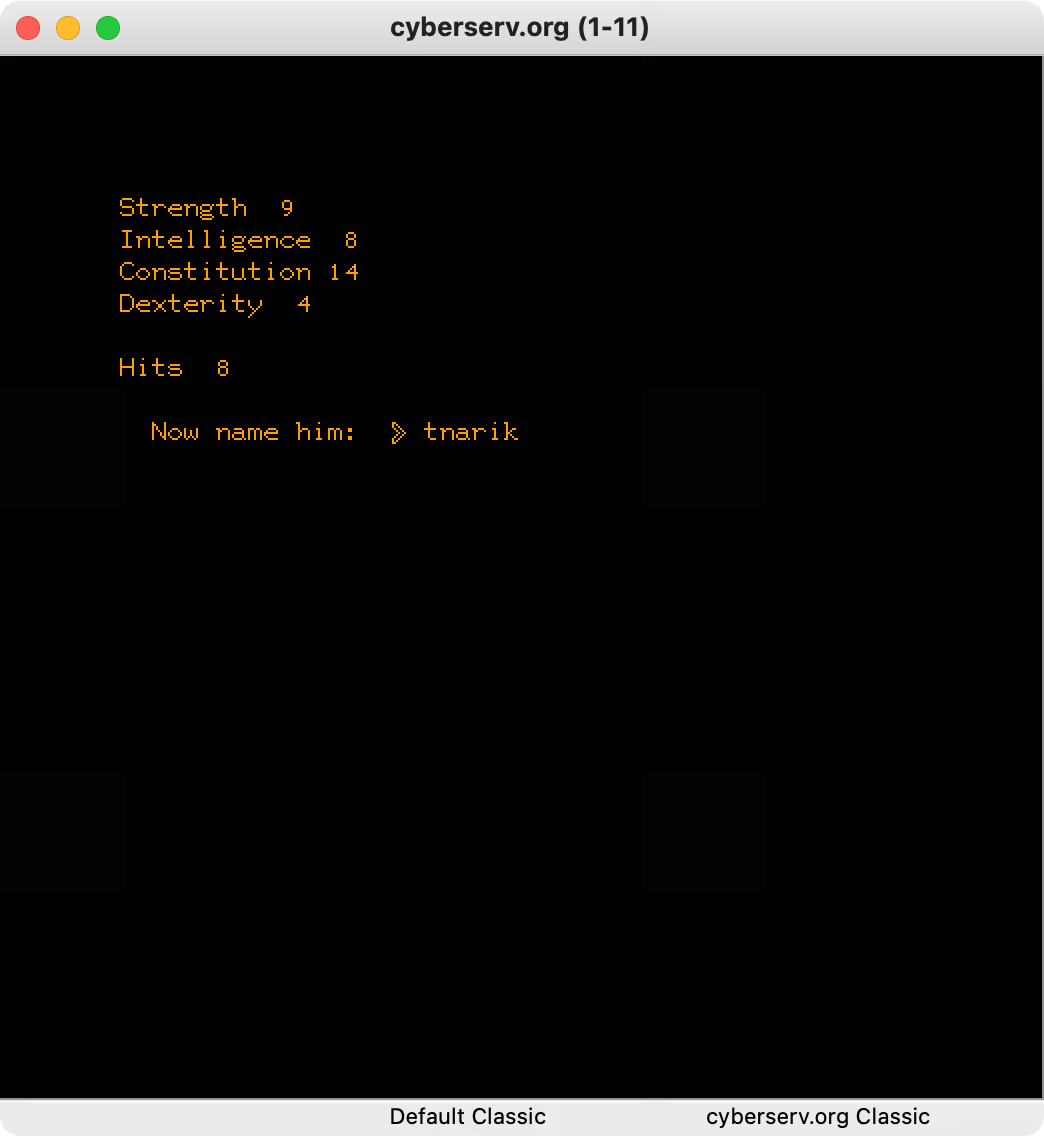
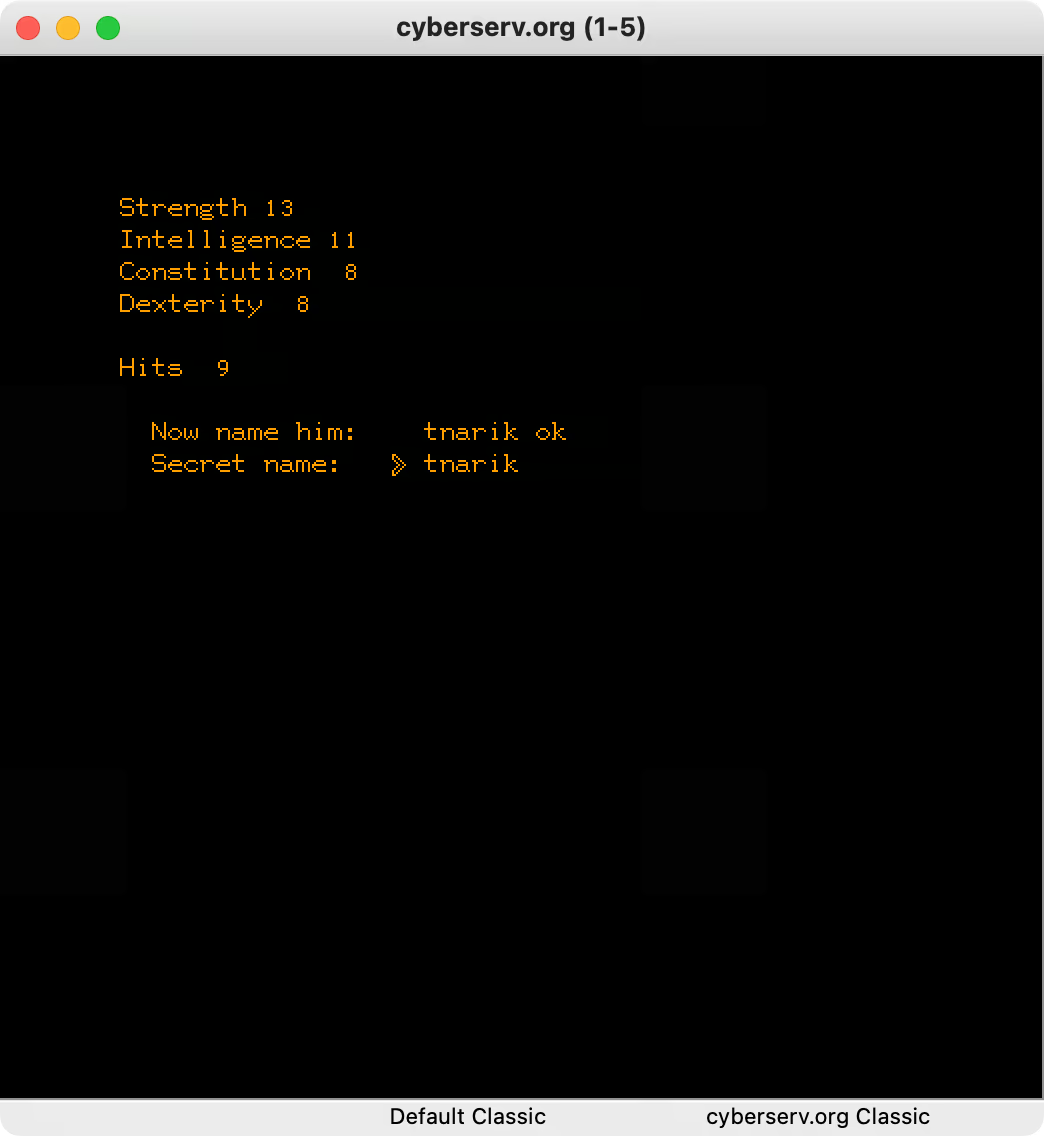
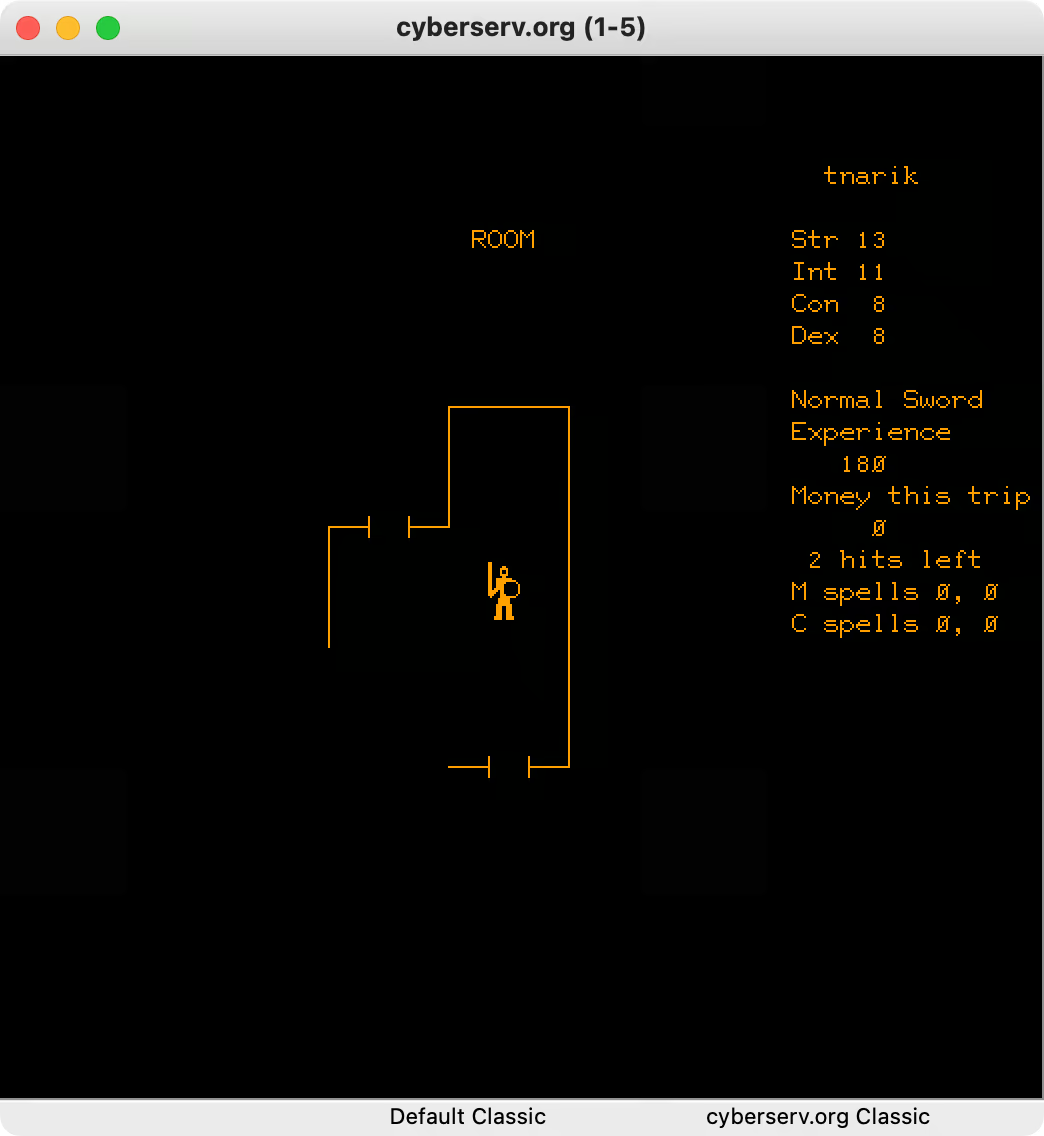
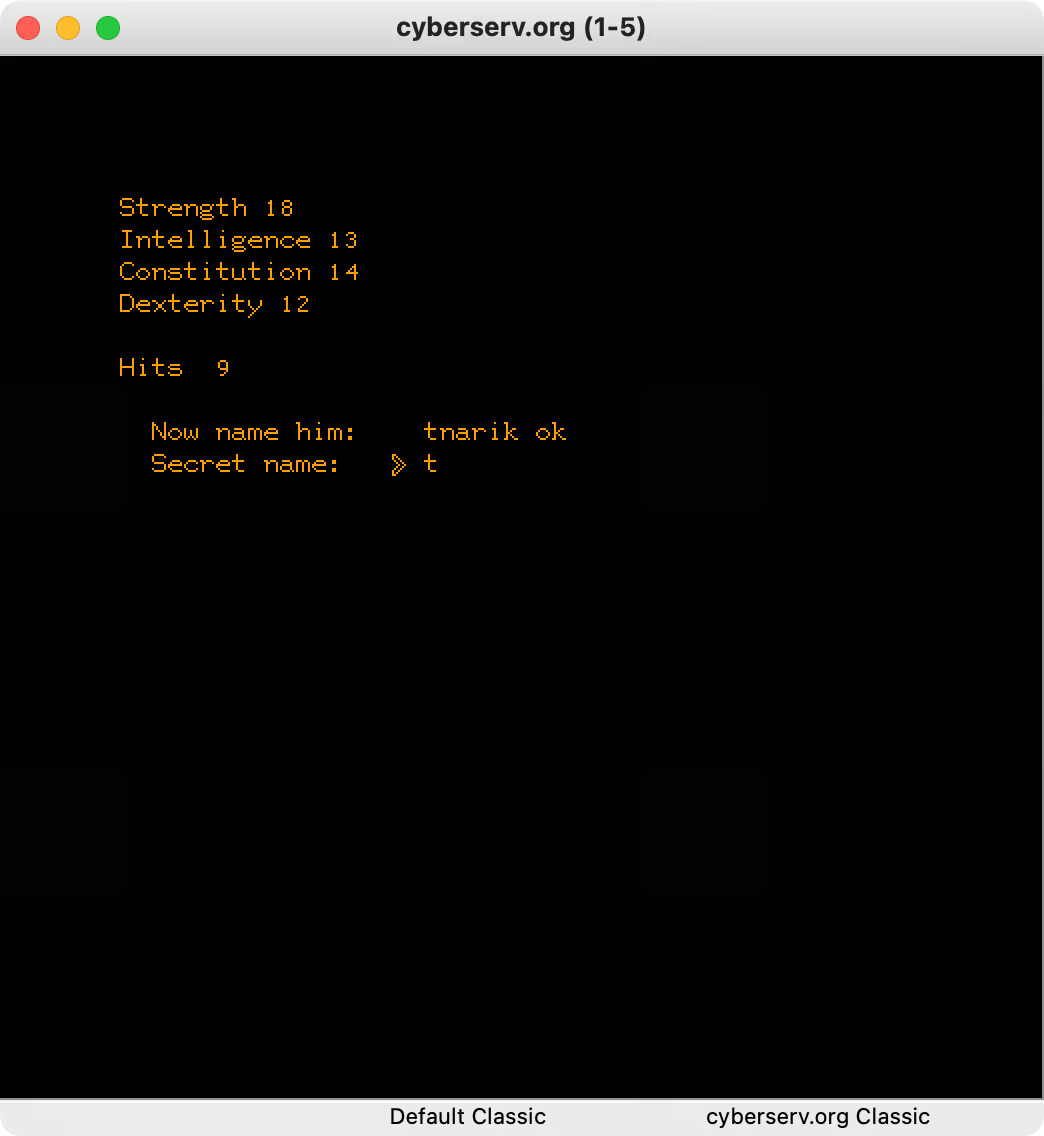
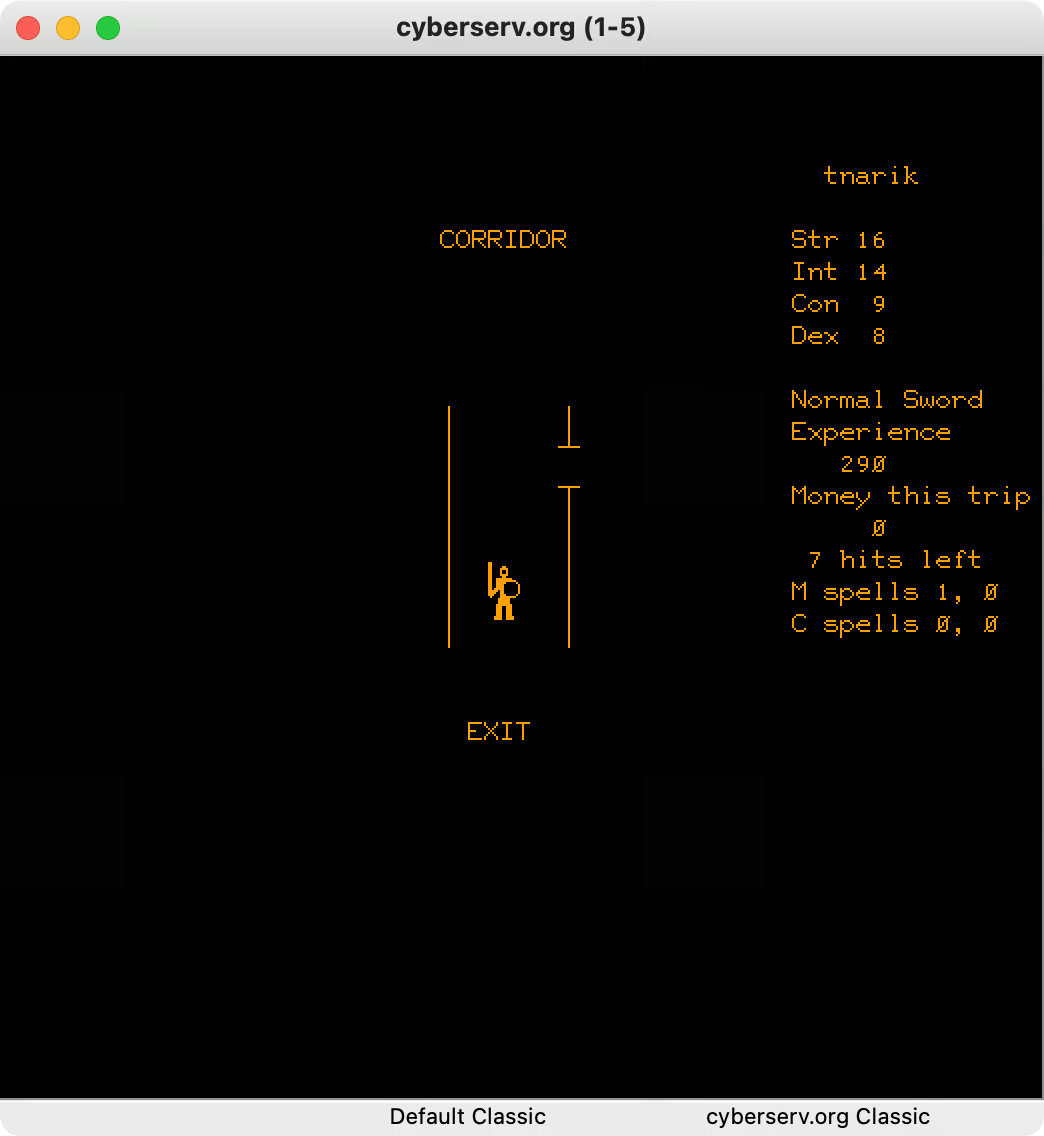
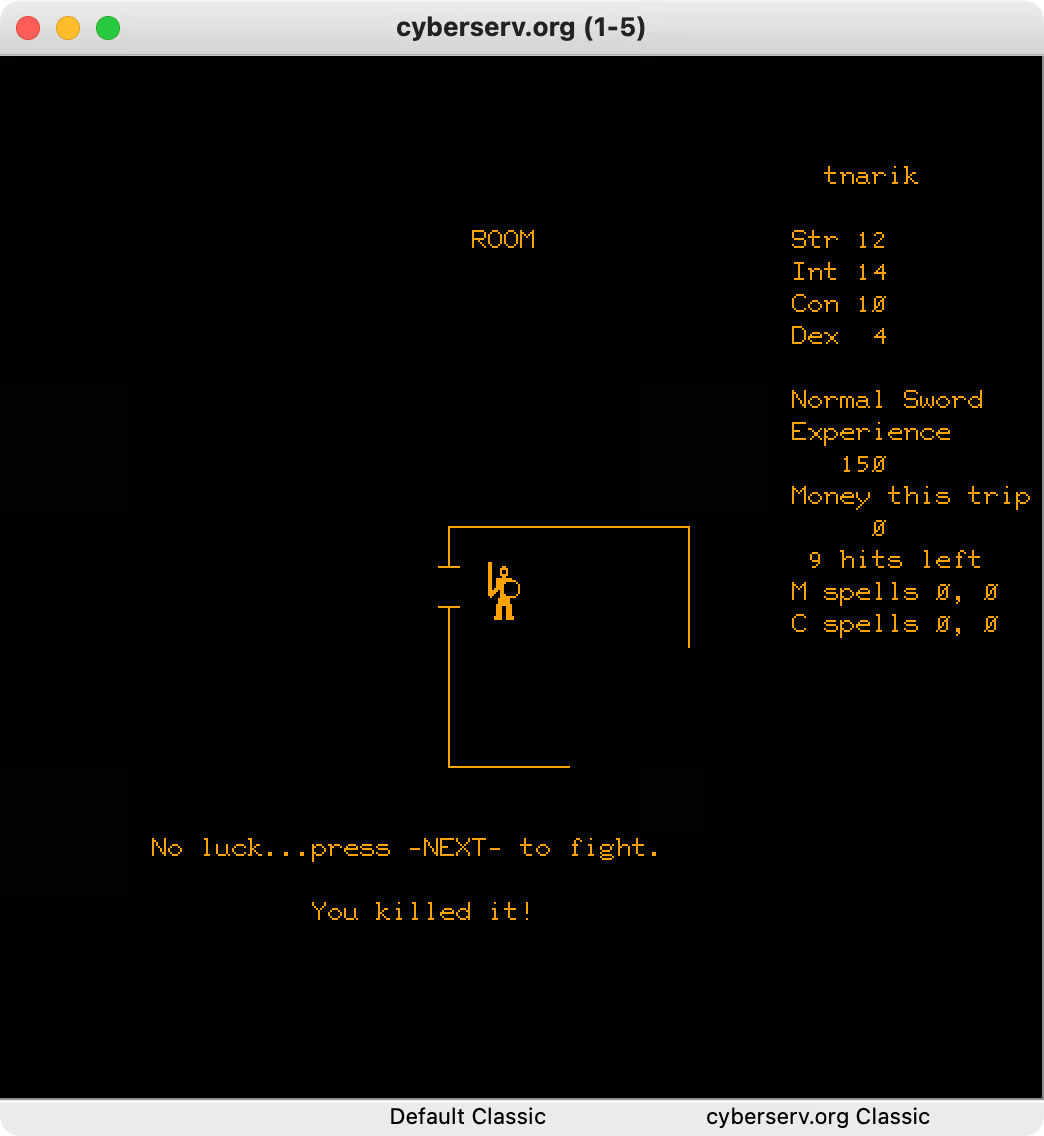
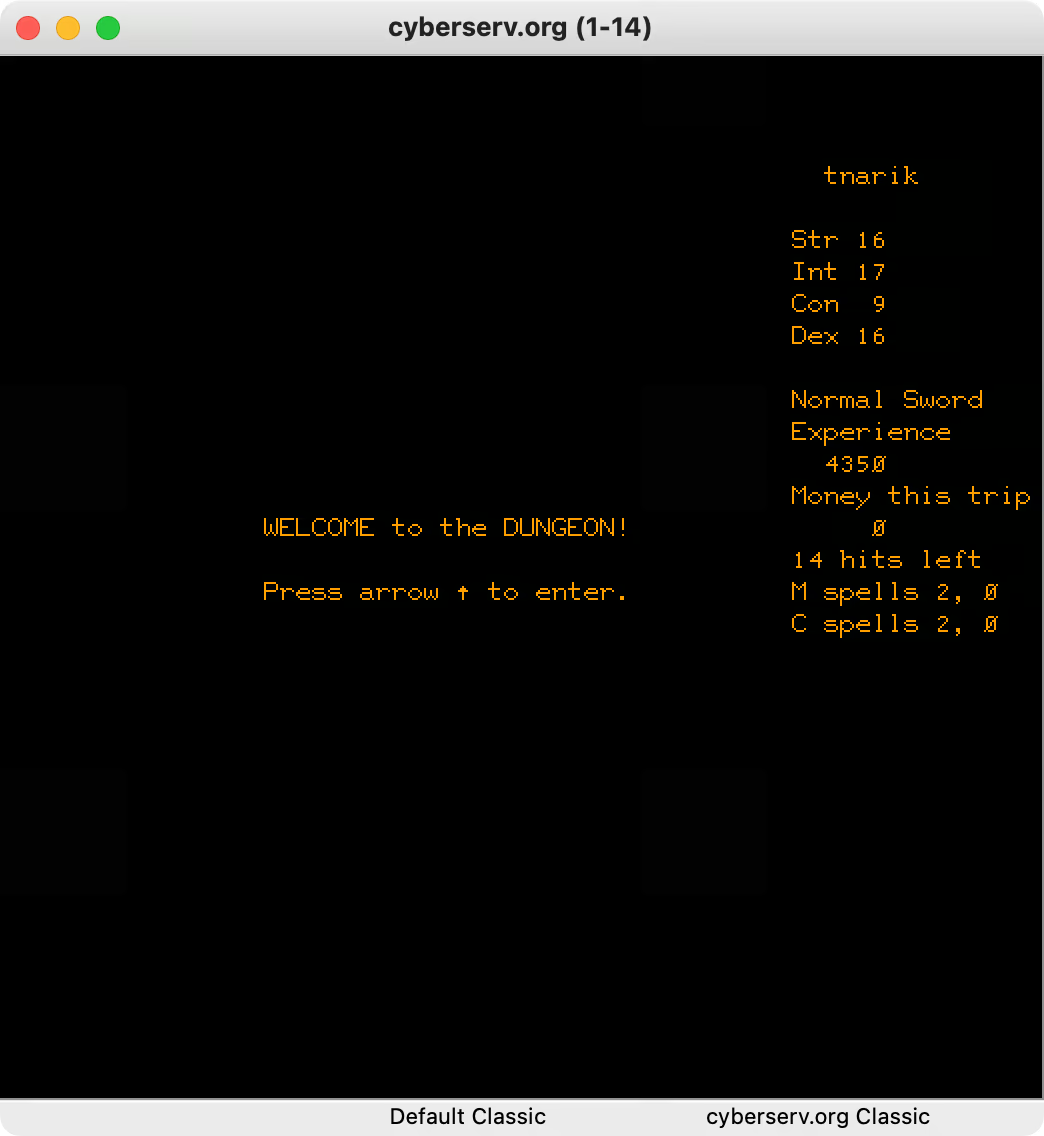
at some point of my many tnariks was doing really well, a combination of points allocation and improved tactics, I think.
from that point on, all I had to do was to be careful and inspect all rooms (all new rooms) and start my return to the entrance room with enough resources to survive. it became a game of balancing risk and reward, exploration and exploitation. going further or into unknown areas is more risky, but retreating after every combat takes a lot of time and is not so thrilling (although the race back to base is fraught with dangers, so you never know).
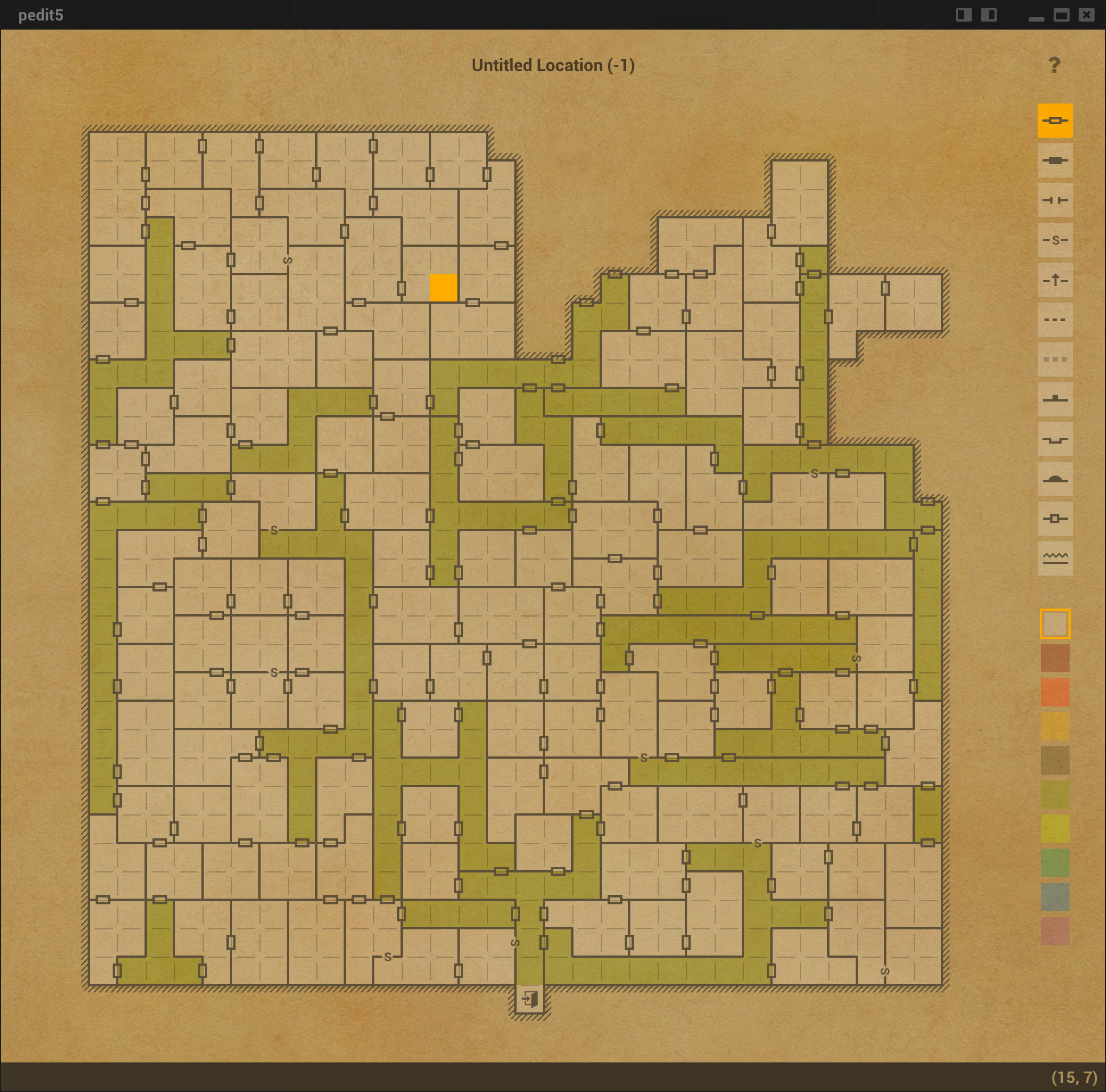
I kept mapping the dungeon while exploring, because it is fun and Gridmonger allows me to see my tracks so that I can tell which areas I have already explored.
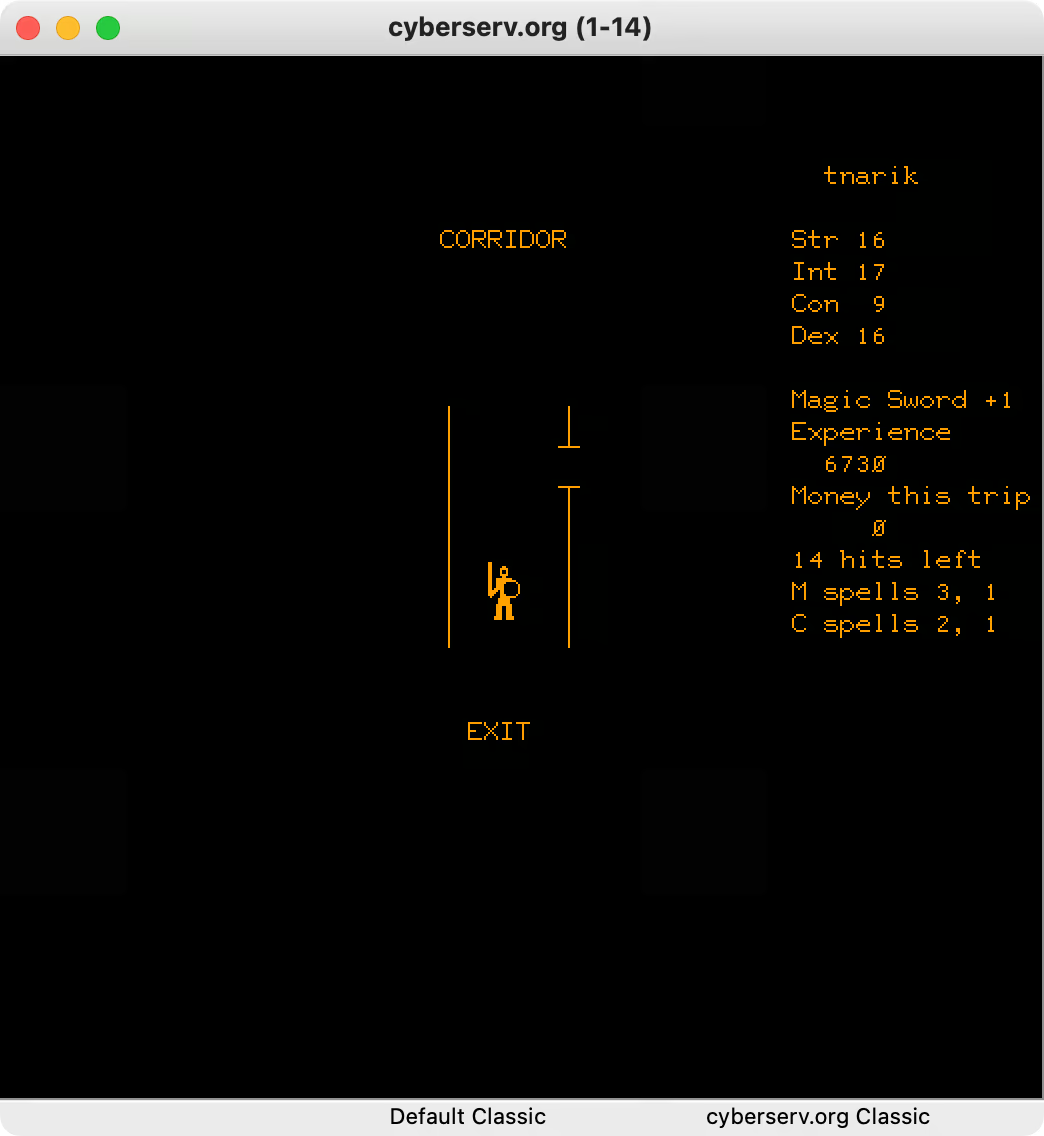
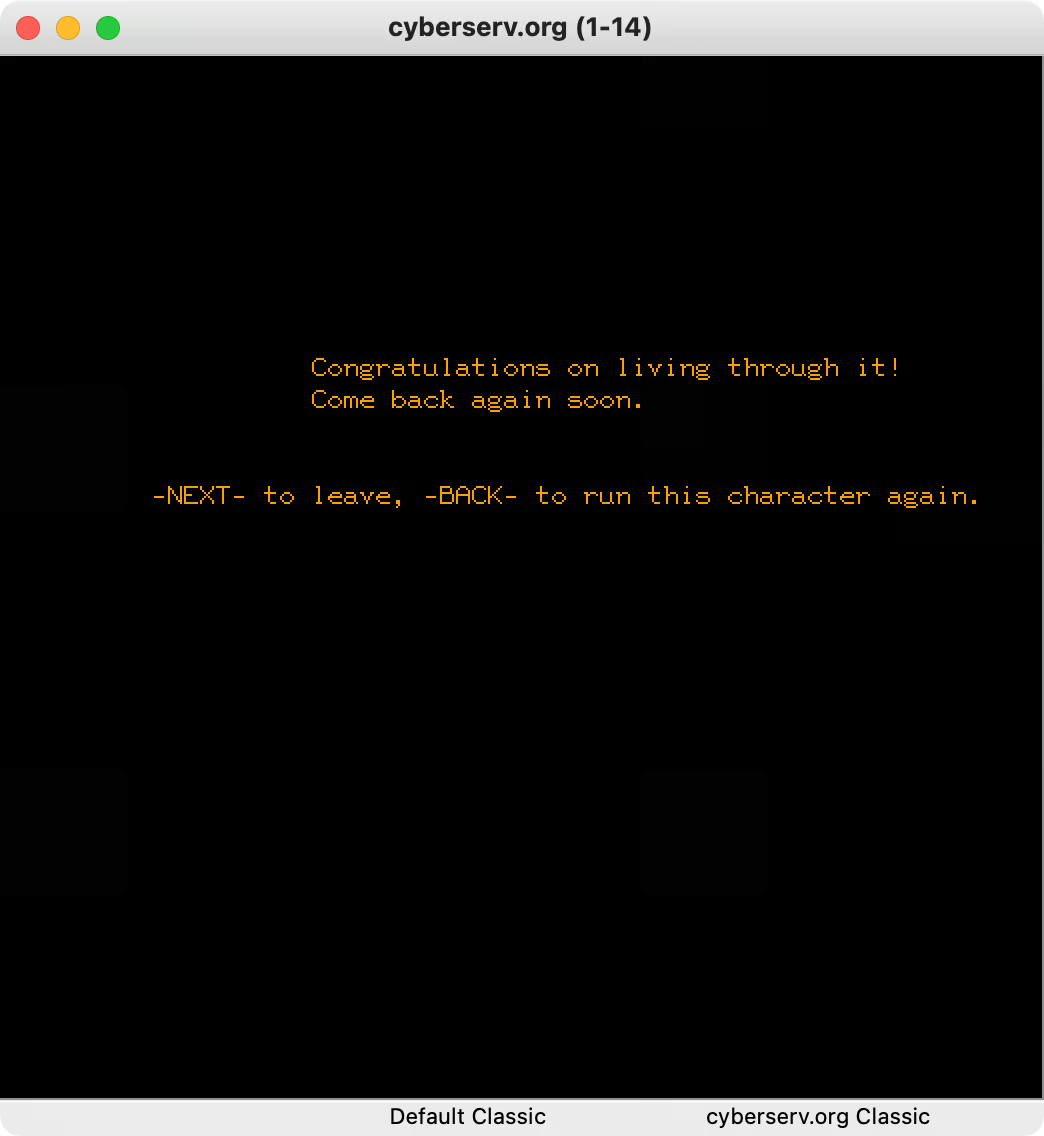
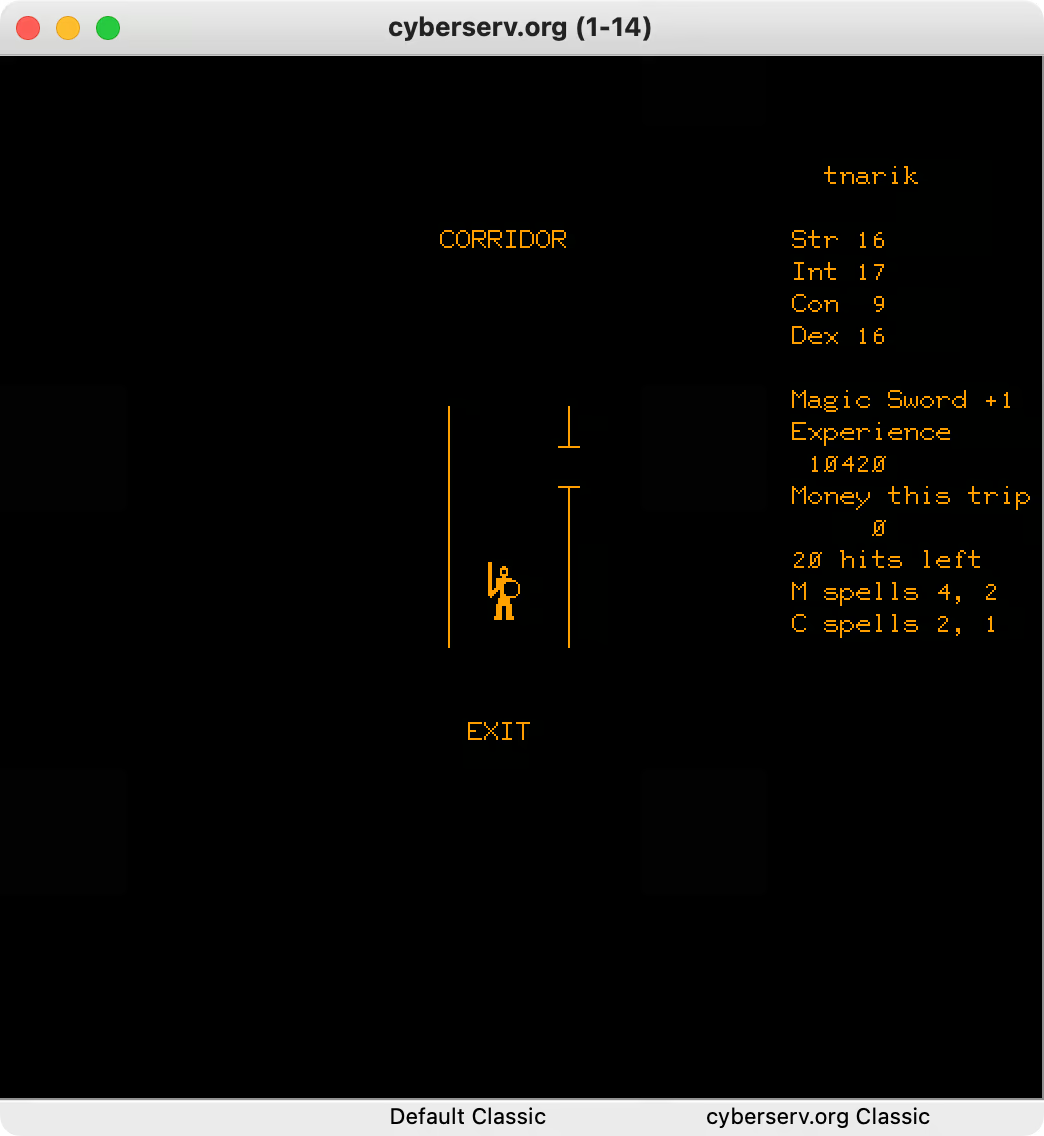
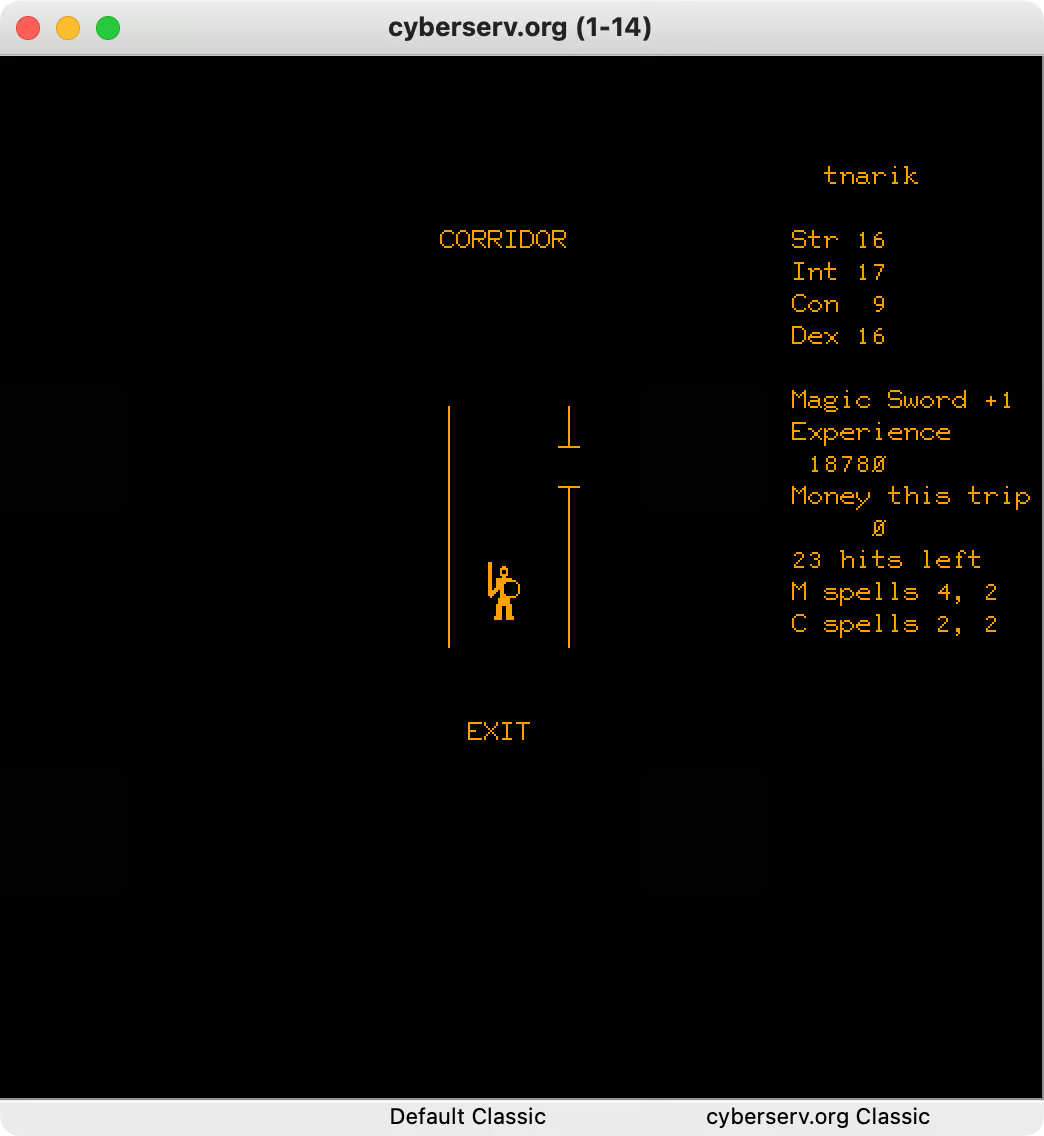
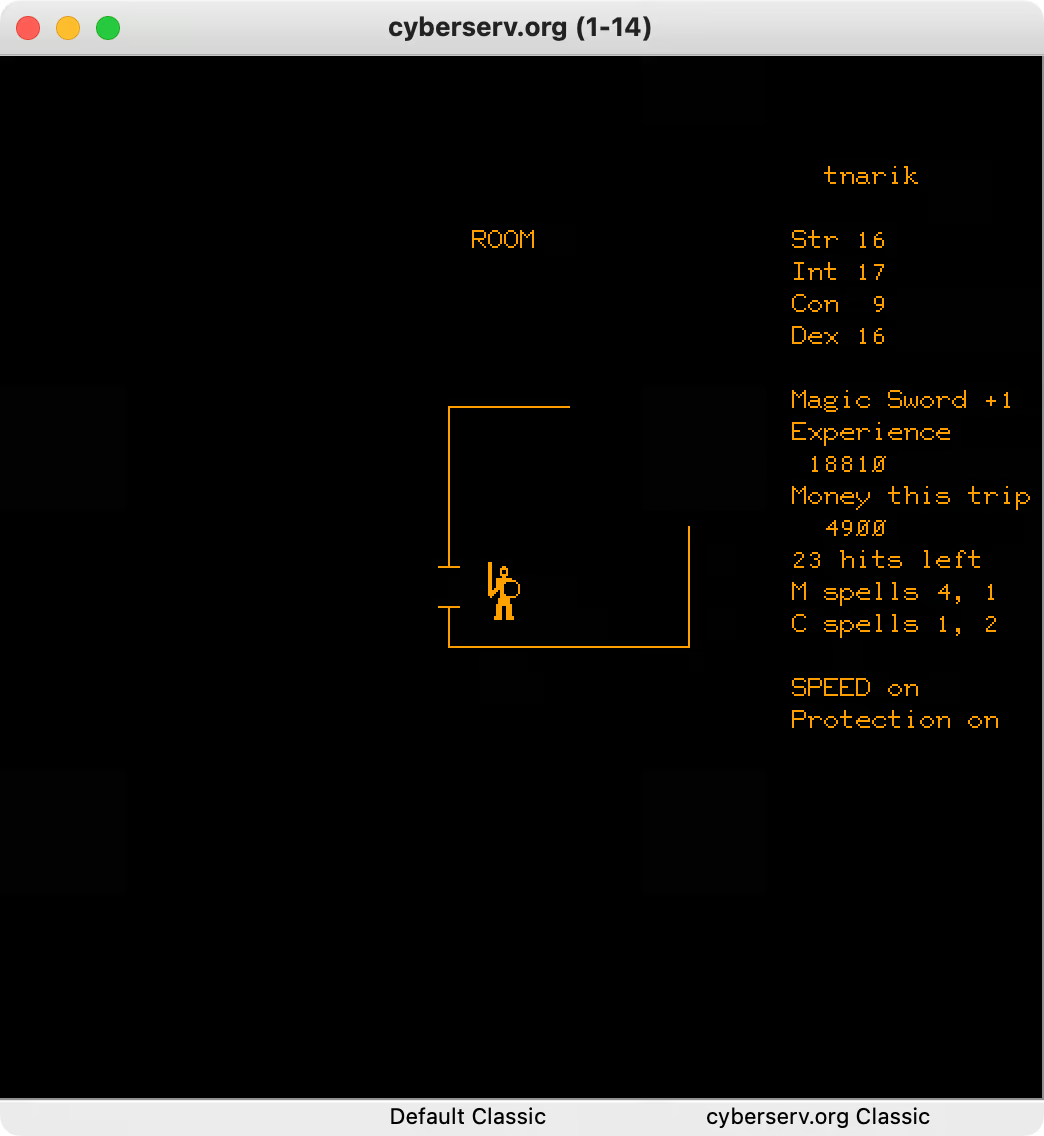
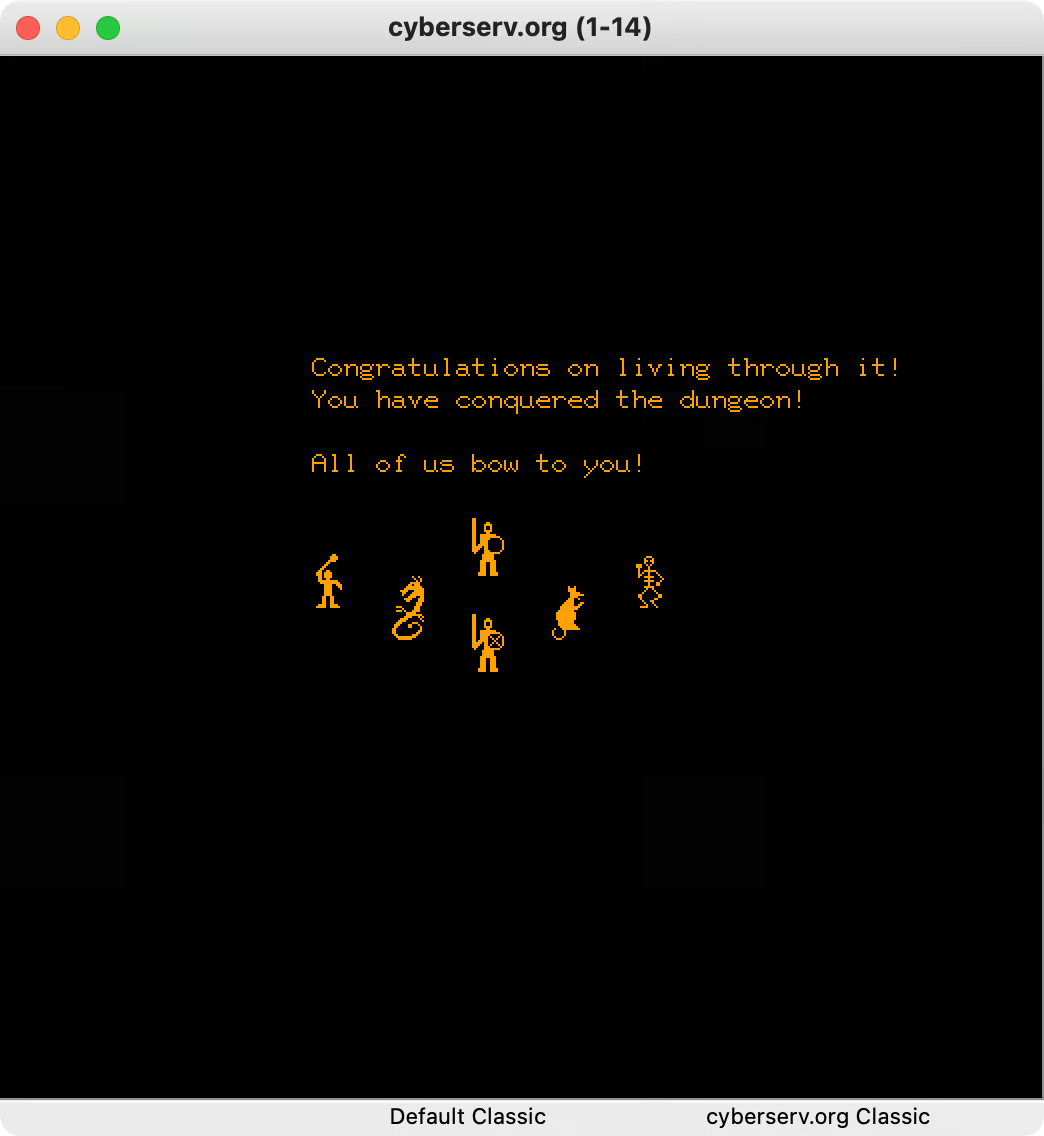
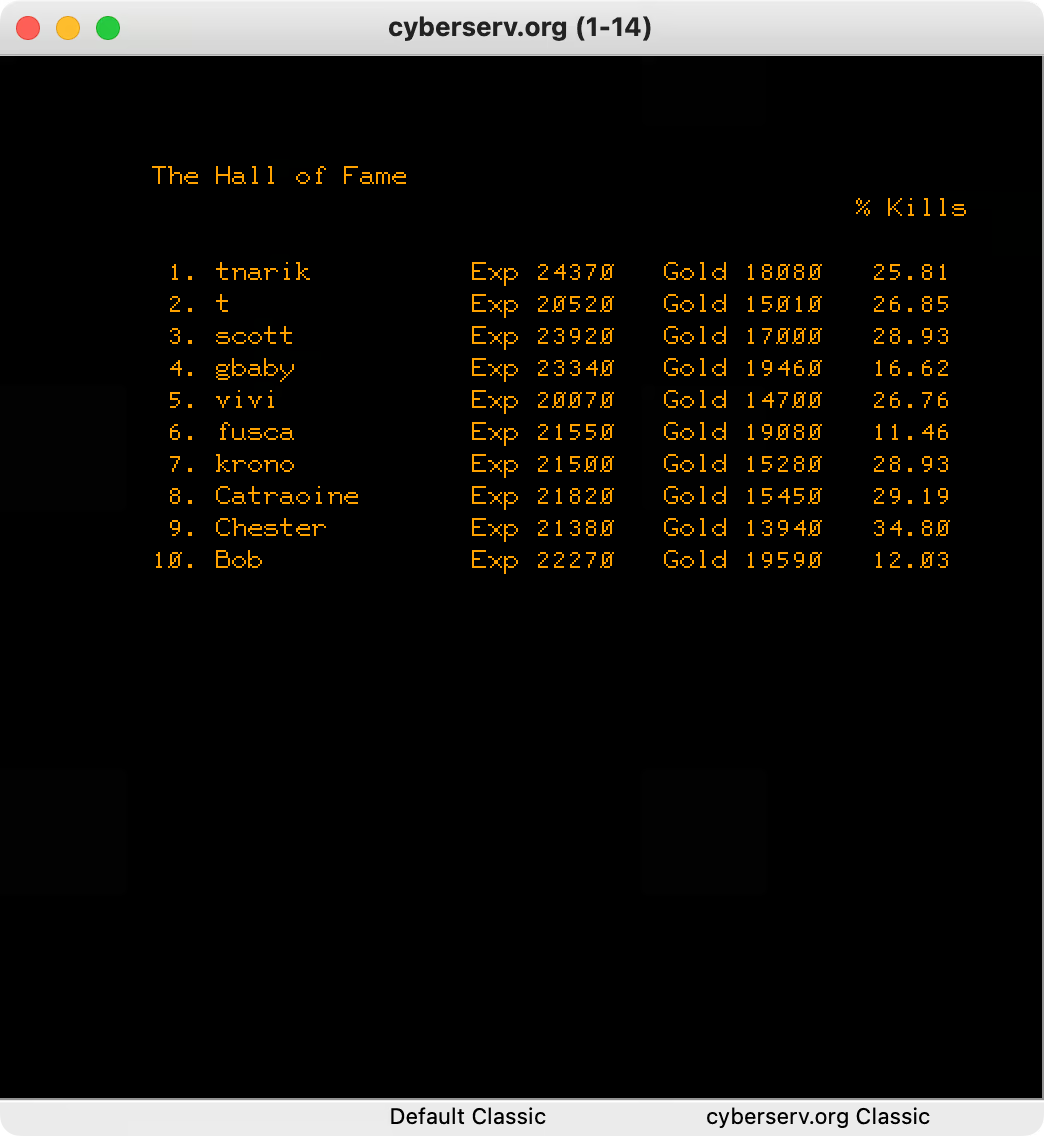
once you get the hang of it, and a decent level, the combat options are easy to understand. there is still some risk involved, but having backup spells and a stash of hit points gives some peace of mind. it comes down to pushing your luck and sticking to the most effective routes when going deeper. there is no treasure to be found on already explored rooms, but there is always the threat of wandering monsters.
it took me a couple of hours playing during a quiet early spring night. very relaxing and focused experience, zen-like. and, although I finished the game and retired, I didn’t explore the full dungeon nor encountered a dragon (that was my own goal). at that time it was a bit late (almost 2 AM) and I had had my fun.
I had planned for an entry here sooner, but just took some screenshots, and it is not as if there are many readers for this “chronicles”, so everything sat as minor notes on one of my computers until I decided (one year later) to wrap this up. perhaps because I wanted to continue with this exploration of retro-gaming, and revisiting the PLATO games more thoroughly would be a good experience (for me, perhaps for you as well).
and you?
can you try this? of course, you just need access to the PLATO emulator at Cyber1, by using one of the demo accounts or getting a proper signon, the page will point you to the terminal emulator you need to use. this game was played on dedicated terminals connected to a mainframe, which had their own keyboard and ways of presenting information on the screen. one thing different, as a reminder, is the keyboard. on modern/standard keyboards you would need to use equivalent keys, because we don’t have a MICRO or NEXT keys from the PLATO terminal. they are easy to learn, don’t fret.
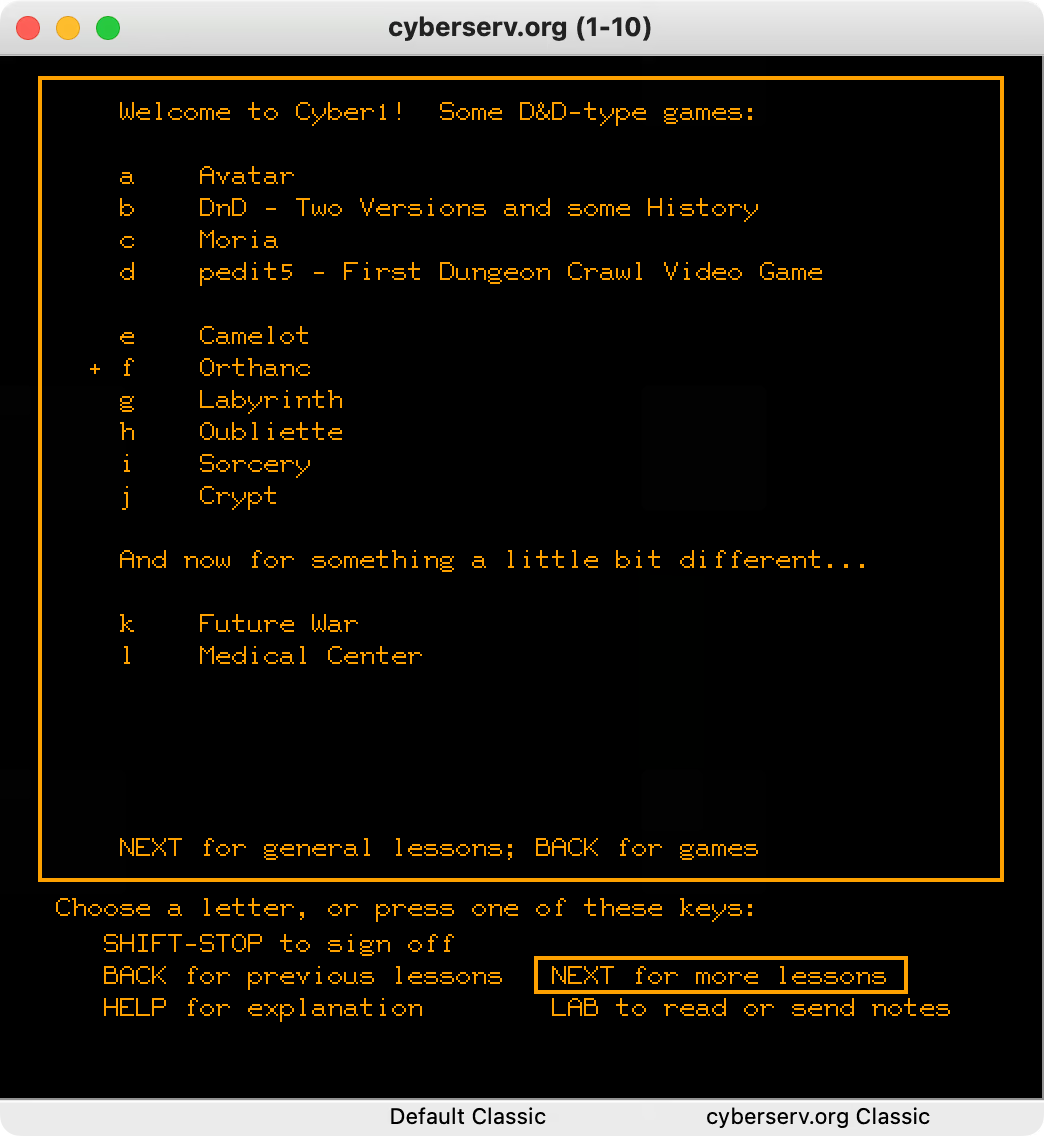
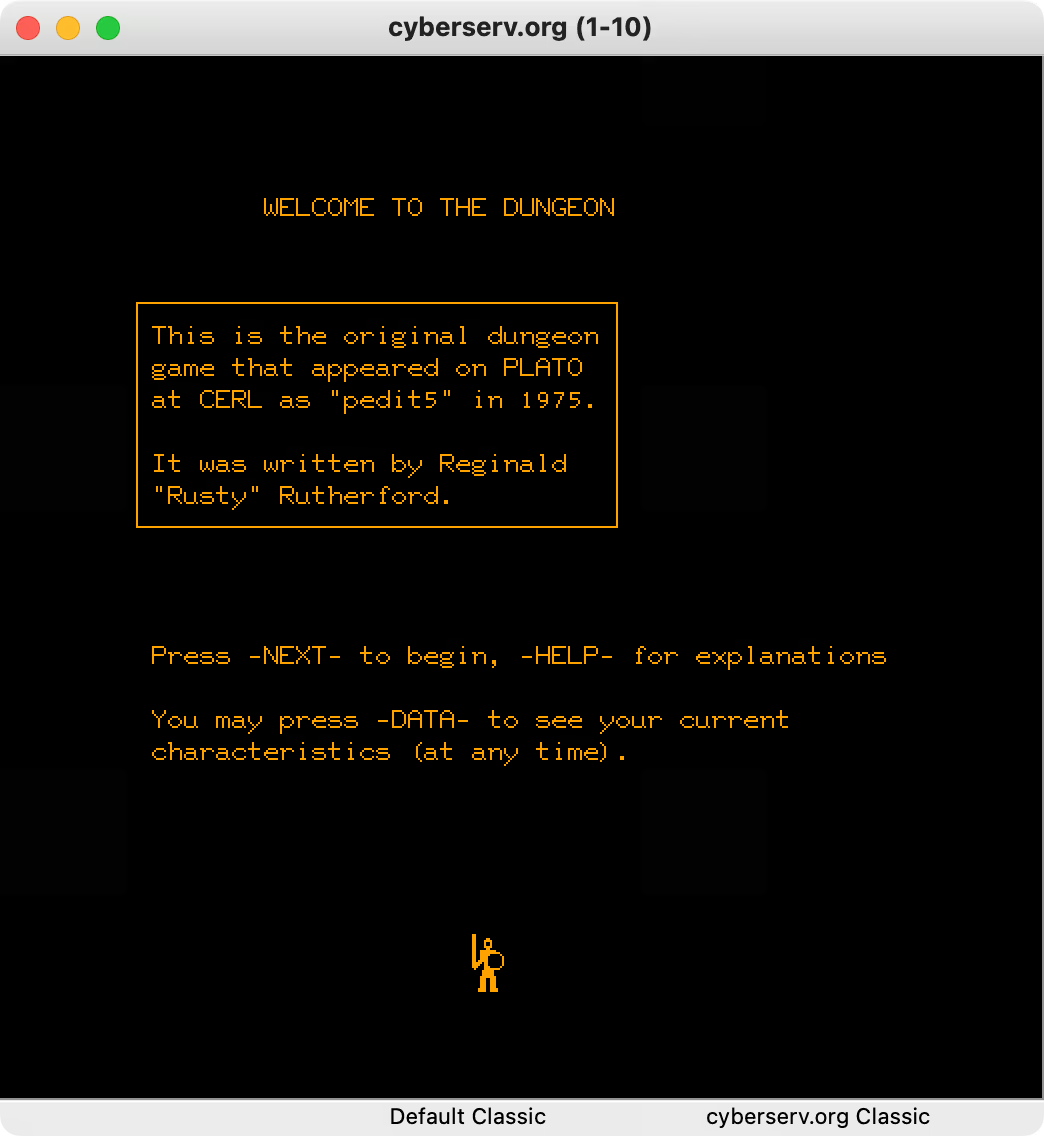
once in, you either select one of the games from the list available or search for pedit5. you can see a list of the lessons via bigjump (that is what I did) and then browse the games (lessons) and jump to the one you want.
I know we are not used to it any more, but having a quick read at the manual/help would be a good idea to get a tiny bit of context and understand how RPGs were seen back then (this is a very straightforward conversion from the 1st edition, I think).
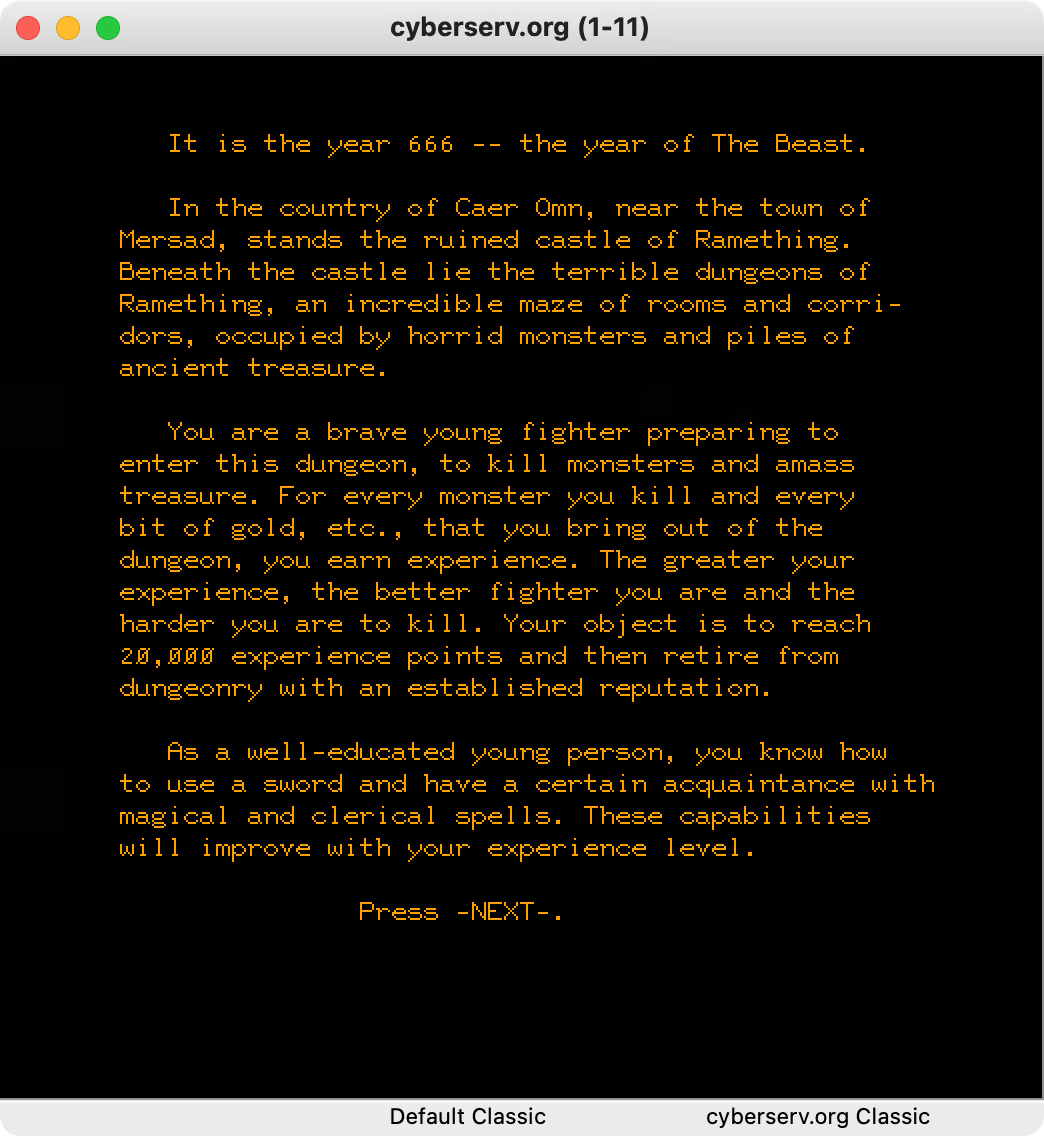
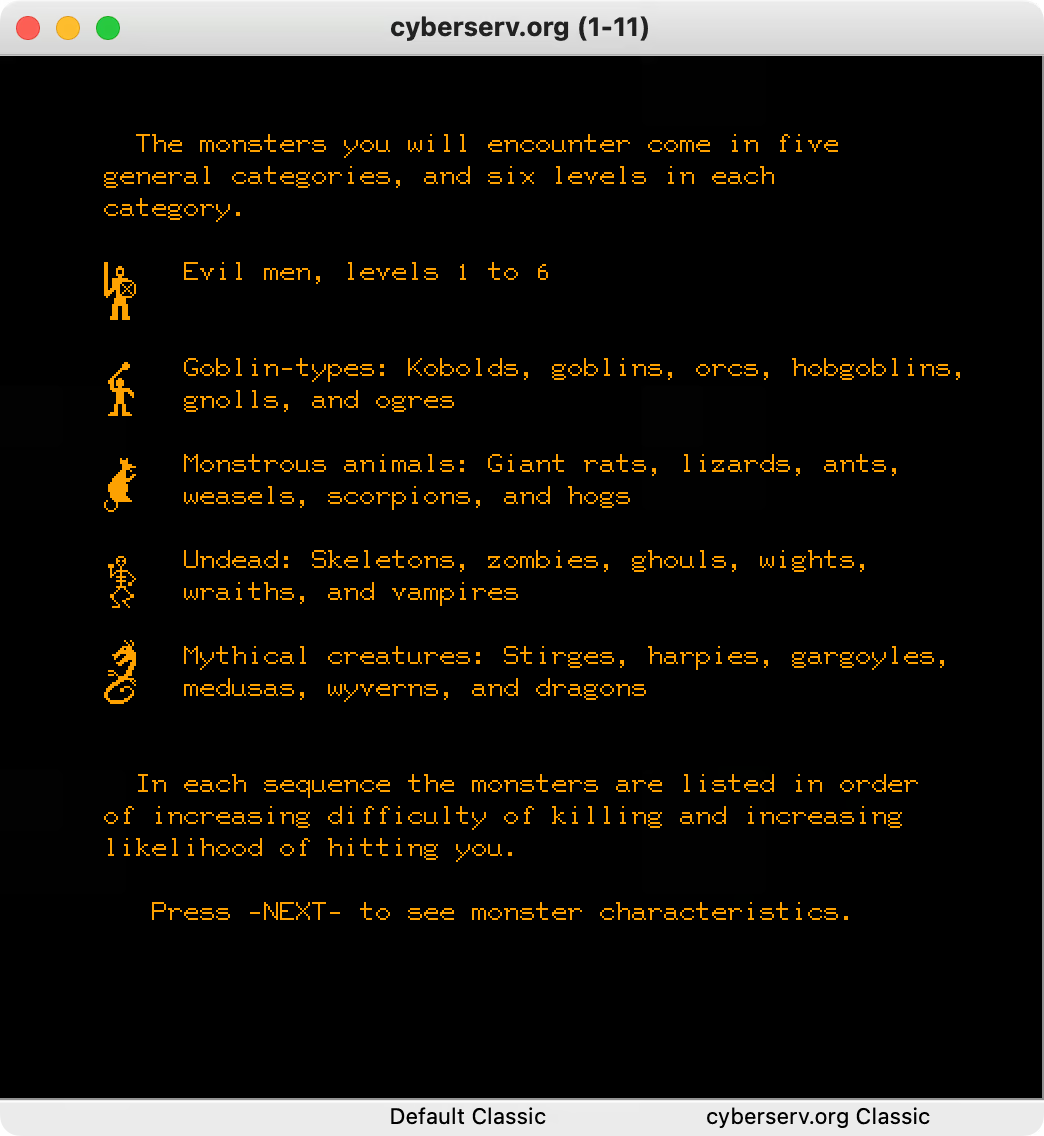
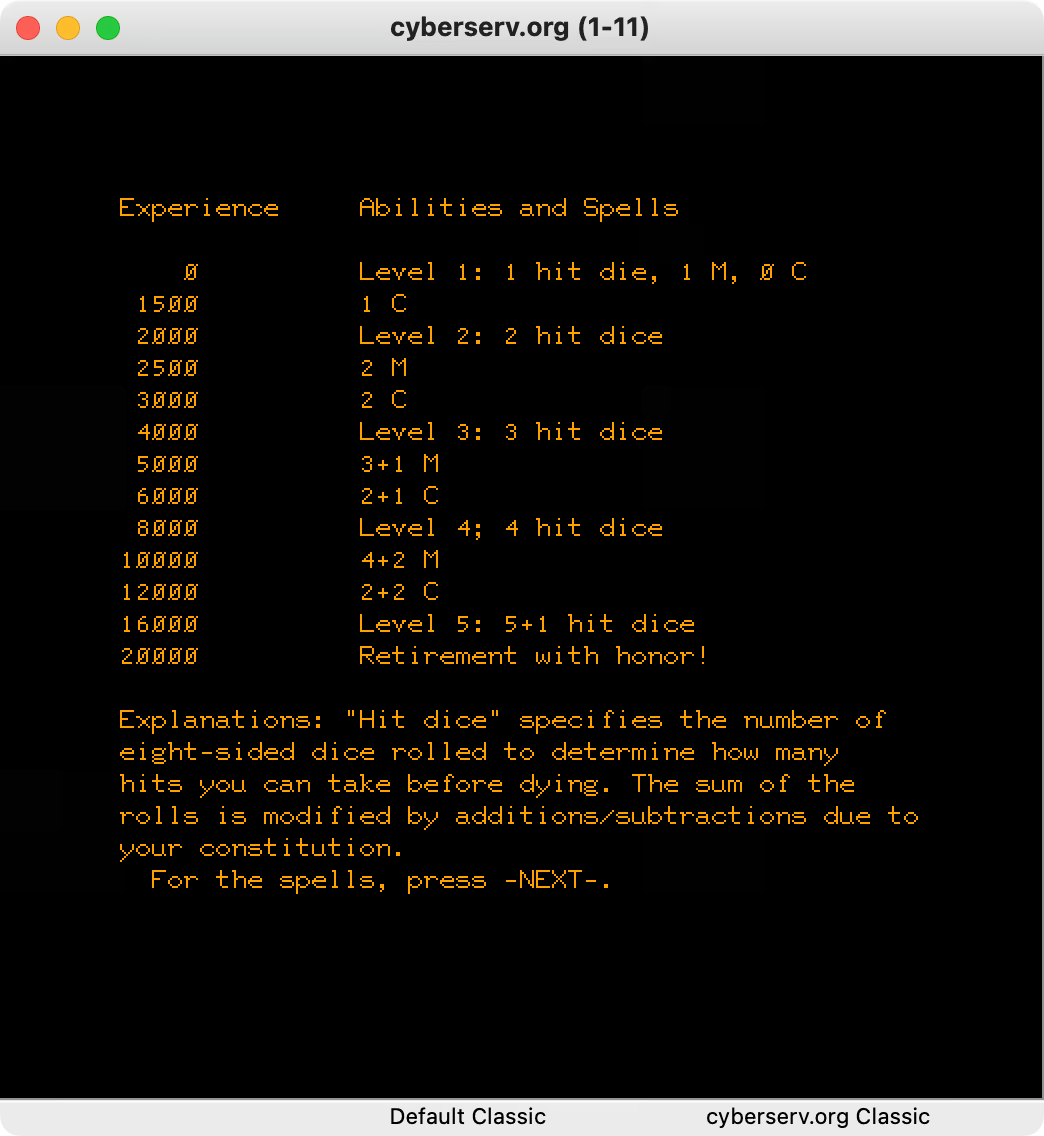
and have a few hours of fun, or at least get to try something new that relies on mechanics, emotion (no saves, your character doesn’t come back, etc…), and a bit of a time sink character attachment. you don’t need to pause (this is turn based, so just don’t move) and the dungeon is invariant, so if you already explored part of it with one version of your character, you already know the same of it.
references: